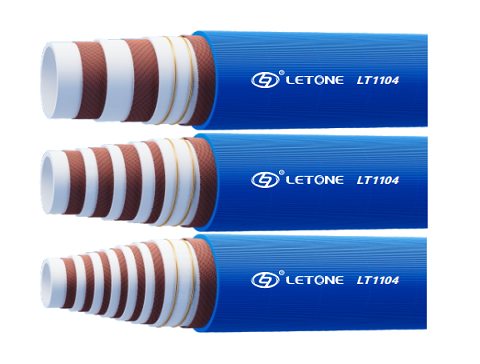
Anti-aging gasoline and fuel hoses, full diameter available
release date:2026-08-31 10:04:42
reading volume:
share:
Anti-aging gasoline fuel hoses are a type of flexible piping product specifically designed for transporting petroleum-based fuels such as gasoline, diesel, and kerosene. Their core performance indicators include oil swelling resistance, aging resistance, ozone resistance, and low fuel permeability—these four parameters collectively determine the hose's service life and safety in fuel contact environments.
Regarding standards, gasoline fuel hoses primarily comply with ISO 19013-2 (corresponding to GB/T 24141.2), which systematically specifies the material properties, dimensional tolerances, and test methods for rubber hoses used in internal combustion engine gasoline fuel lines. In addition, marine and general-purpose fuel delivery hoses may also involve requirements from standards such as SAE J1527 and ABYC H-24.
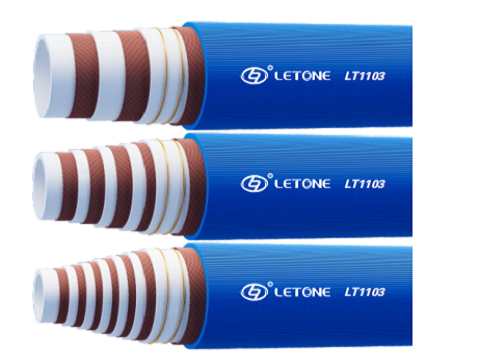
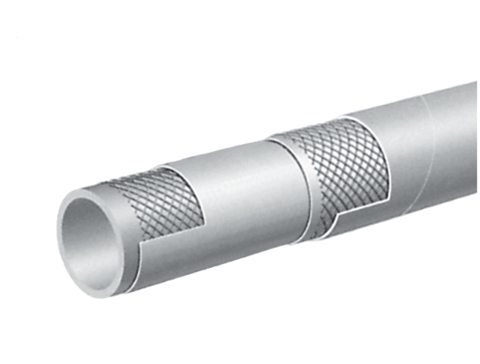
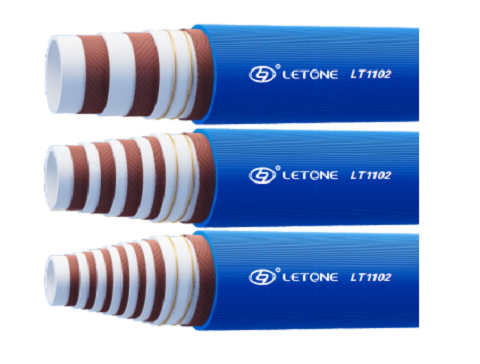
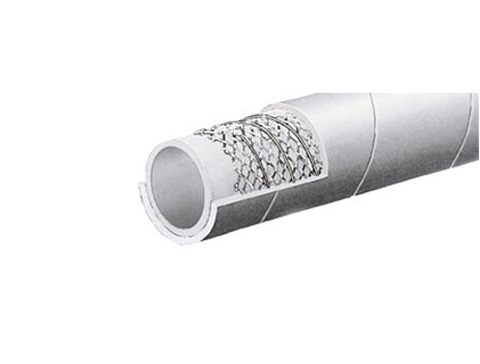
II. Structural and Material Design The aging resistance and service life of fuel hoses fundamentally depend on their multi-layered structural design and material selection.
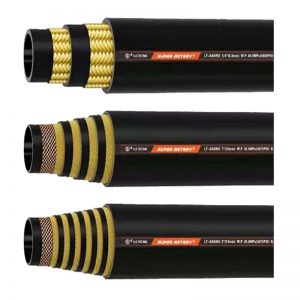 Inner Layer (Inner Rubber Layer): The fuel contact layer typically uses NBR (nitrile butadiene rubber) as the main material. Its molecular structure exhibits excellent resistance to hydrocarbon fuels, effectively resisting volume swelling and performance degradation caused by gasoline and diesel. Some high-performance products add a nylon or fluoropolymer barrier layer to the NBR base, further reducing fuel permeability and preventing corrosion of the rubber structure by oxygenated fuels such as ethanol.
Reinforcing Layer: Used to provide pressure-resistant structural strength. Common reinforcement forms include high-strength synthetic fiber braiding, fabric lamination, and high-strength copper-plated steel wire braiding or spiral winding. The reinforcing layer structure determines the hose's working pressure rating; generally, the burst pressure is 3-4 times the working pressure.
Outer Layer (Outer Rubber Layer): The outer layer uses CR (chloroprene rubber) or a weather-resistant synthetic rubber formulation, possessing resistance to ozone cracking, UV aging, seawater, and abrasion. The aging resistance of the outer layer material directly determines the hose's service life in outdoor or cabin environments.
III. Performance Parameters and Multiple Diameter Specifications Our fuel hose product series covers a variety of inner diameter specifications, suitable for various scenarios ranging from fuel supply lines for small engines to loading and unloading pipelines in large oil depots.
Temperature Range: Standard fuel hoses operate from -30℃ to +120℃, with some products reaching -40℃ to +150℃.
Pressure Rating: Low-pressure fuel delivery hoses typically operate at 0.6–1.6 MPa (approximately 87–232 PSI), with a burst pressure four times the operating pressure; some high-pressure steel wire braided products can operate at pressures of 16–25 bar.
Diameter Series: Products are typically available in a full range of diameters from 3/16 inch to 4 inches (approximately 5 mm to 102 mm), with common sizes including 1/4 inch, 3/8 inch, 1/2 inch, 3/4 inch, 1 inch, 1-1/4 inch, 1-1/2 inch, and 2 inches. Large-diameter hoses (such as 3-inch and 4-inch) are suitable for large-volume fuel loading and unloading operations at oil depots and docks. Anti-aging performance: High-quality fuel hoses, through optimized rubber formulation and the addition of a barrier layer, maintain sufficient interlayer adhesion strength and structural integrity even after prolonged contact with gasoline (including E85 blended fuels containing ethanol) and diesel (including B100 biodiesel).
IV. Application Scenarios
* Internal Combustion Engine Fuel Lines: Fuel supply and return lines for automotive engines, construction machinery, and generator sets.
* Fuel Filling and Delivery: Fuel dispenser lines at gas stations, tanker loading and unloading, and ship fuel filling at docks.
* Yacht and Marine Fuel Systems: In-tank fuel lines conforming to marine standards (e.g., USCG, ABYC).
* V. Selection Considerations
* Confirm Media Compatibility: When conveying gasoline containing ethanol (e.g., E10, E85), a low-permeability model with a barrier layer must be selected to prevent ethanol from corroding the inner layer of the NBR.
* Select Diameter and Pressure: Select the matching inner diameter and pressure rating based on flow requirements and system operating pressure.
* Consider Ambient Temperature: For extreme high and low temperature environments, confirm that the hose temperature rating covers the actual operating conditions.
* Focus on Certification Compliance: For marine, gas station, and other applications, ensure the product complies with relevant standards (e.g., SAE J1527, ISO 7840, GB/T 24141.2, etc.).
* Length Customization: Most products can be customized in length and connection method according to user requirements.
Inner Layer (Inner Rubber Layer): The fuel contact layer typically uses NBR (nitrile butadiene rubber) as the main material. Its molecular structure exhibits excellent resistance to hydrocarbon fuels, effectively resisting volume swelling and performance degradation caused by gasoline and diesel. Some high-performance products add a nylon or fluoropolymer barrier layer to the NBR base, further reducing fuel permeability and preventing corrosion of the rubber structure by oxygenated fuels such as ethanol.
Reinforcing Layer: Used to provide pressure-resistant structural strength. Common reinforcement forms include high-strength synthetic fiber braiding, fabric lamination, and high-strength copper-plated steel wire braiding or spiral winding. The reinforcing layer structure determines the hose's working pressure rating; generally, the burst pressure is 3-4 times the working pressure.
Outer Layer (Outer Rubber Layer): The outer layer uses CR (chloroprene rubber) or a weather-resistant synthetic rubber formulation, possessing resistance to ozone cracking, UV aging, seawater, and abrasion. The aging resistance of the outer layer material directly determines the hose's service life in outdoor or cabin environments.
III. Performance Parameters and Multiple Diameter Specifications Our fuel hose product series covers a variety of inner diameter specifications, suitable for various scenarios ranging from fuel supply lines for small engines to loading and unloading pipelines in large oil depots.
Temperature Range: Standard fuel hoses operate from -30℃ to +120℃, with some products reaching -40℃ to +150℃.
Pressure Rating: Low-pressure fuel delivery hoses typically operate at 0.6–1.6 MPa (approximately 87–232 PSI), with a burst pressure four times the operating pressure; some high-pressure steel wire braided products can operate at pressures of 16–25 bar.
Diameter Series: Products are typically available in a full range of diameters from 3/16 inch to 4 inches (approximately 5 mm to 102 mm), with common sizes including 1/4 inch, 3/8 inch, 1/2 inch, 3/4 inch, 1 inch, 1-1/4 inch, 1-1/2 inch, and 2 inches. Large-diameter hoses (such as 3-inch and 4-inch) are suitable for large-volume fuel loading and unloading operations at oil depots and docks. Anti-aging performance: High-quality fuel hoses, through optimized rubber formulation and the addition of a barrier layer, maintain sufficient interlayer adhesion strength and structural integrity even after prolonged contact with gasoline (including E85 blended fuels containing ethanol) and diesel (including B100 biodiesel).
IV. Application Scenarios
* Internal Combustion Engine Fuel Lines: Fuel supply and return lines for automotive engines, construction machinery, and generator sets.
* Fuel Filling and Delivery: Fuel dispenser lines at gas stations, tanker loading and unloading, and ship fuel filling at docks.
* Yacht and Marine Fuel Systems: In-tank fuel lines conforming to marine standards (e.g., USCG, ABYC).
* V. Selection Considerations
* Confirm Media Compatibility: When conveying gasoline containing ethanol (e.g., E10, E85), a low-permeability model with a barrier layer must be selected to prevent ethanol from corroding the inner layer of the NBR.
* Select Diameter and Pressure: Select the matching inner diameter and pressure rating based on flow requirements and system operating pressure.
* Consider Ambient Temperature: For extreme high and low temperature environments, confirm that the hose temperature rating covers the actual operating conditions.
* Focus on Certification Compliance: For marine, gas station, and other applications, ensure the product complies with relevant standards (e.g., SAE J1527, ISO 7840, GB/T 24141.2, etc.).
* Length Customization: Most products can be customized in length and connection method according to user requirements.
Previous: