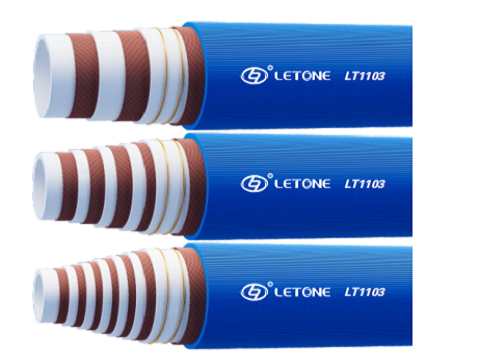
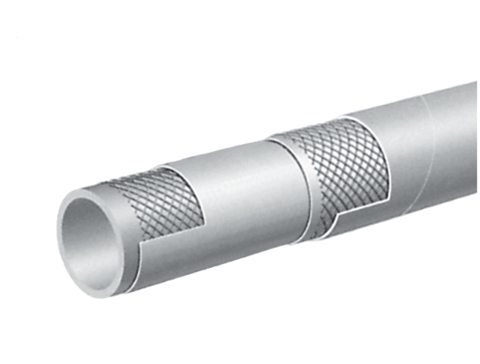
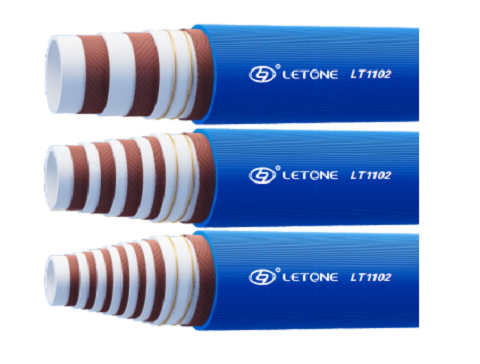
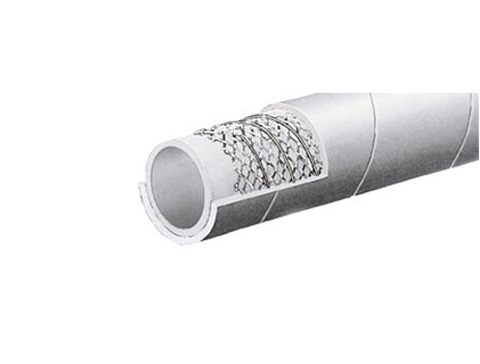
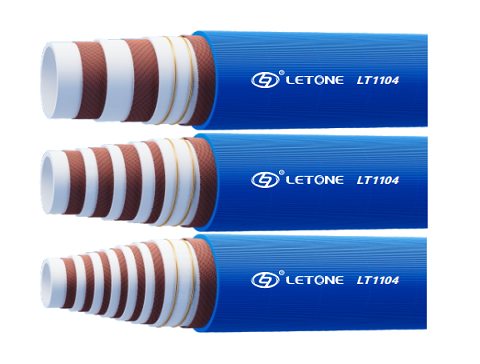
Custom Size Industrial Cooling System Hose Liquid Water Cooling Tube
release date:2026-06-24 14:41:19
reading volume:
share:
In industrial production, efficient operation of equipment relies on good temperature control. In order to maintain equipment at its optimal operating temperature, liquid cooling systems have gradually gained widespread attention as an effective cooling method. In liquid cooling systems, the performance of liquid cooling hoses, as a key component, directly affects the cooling effect of the entire system and the safe operation of equipment. This article will delve into the design, application, and importance of industrial liquid cooled hoses for equipment cooling systems.
1、 Principle of liquid cooling heat dissipation
Liquid cooling is a way of cooling equipment by regulating the temperature of the liquid. The coolant flows through the pipeline system, absorbs the heat generated by the equipment, and then transfers the heat to the heat dissipation device to complete the cooling process. Compared with traditional air cooling, liquid cooling systems have more efficient and uniform heat dissipation performance, especially suitable for high-power and high-density equipment.
Liquid cooled hoses are key components responsible for transporting coolant in liquid cooling systems. Its performance is closely related to many factors such as materials, structural design, and temperature resistance, which directly determine the cooling effect of the equipment under high load conditions.
2、 Materials and Design of Liquid Cooled Hoses
The material selection of liquid cooled hoses is crucial, and it is usually recommended to use materials that are resistant to high temperatures and corrosion to ensure stable operation in harsh environments for a long time. Common materials include polyurethane, silicone, PTFE (polytetrafluoroethylene), etc. These materials not only have good temperature resistance, but also have certain flexibility and pressure resistance, making liquid cooled hoses less prone to leakage during installation and use.
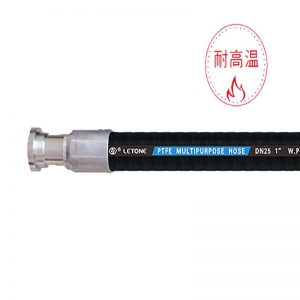 In terms of design, the inner diameter, wall thickness, and length of liquid cooled hoses are important factors that affect the cooling effect. Generally speaking, the selection of inner diameter should be reasonably designed based on the flow rate and velocity of the coolant to ensure that the coolant can quickly and effectively remove the heat generated by the equipment. Meanwhile, appropriate hose length and bending radius can also reduce the resistance caused by liquid flow and improve the efficiency of the entire cooling system.
3、 Application of liquid cooled hoses in equipment cooling systems
Liquid cooled hoses are widely used in different types of equipment, including but not limited to computer servers, laser equipment, electric vehicles, industrial robots, and heavy machinery. The core function of liquid cooled hoses in these devices is to maintain the temperature of the core components and prevent equipment damage or performance degradation caused by overheating.
For example, in high-performance computer systems, key components such as CPUs and GPUs generate a large amount of heat during operation, and conventional air cooling often cannot meet their efficient heat dissipation needs. At this point, the liquid cooled hose can quickly reduce the operating temperature of these high heat source devices by effectively introducing the coolant, thereby ensuring the stable operation of the equipment.
In addition, liquid cooled hoses also play an indispensable role in electric vehicles. With the continuous development of battery technology, the heat generated by the battery system of electric vehicles is also continuously increasing. The use of efficient liquid cooled hoses can maintain the optimal operating temperature of the battery, improving its performance and safety.
4、 Comparison of Advantages and Disadvantages of Liquid Cooling Heat Dissipation Systems
Liquid cooling systems have significant advantages among various cooling methods. Firstly, the specific heat capacity of liquids is much higher than that of air, which means that liquids can absorb more heat at the same volume; Secondly, the liquid cooling system can achieve a more uniform temperature distribution through effective pipeline design. Moreover, the volume of liquid cooling systems is usually smaller, enabling higher power density and meeting the increasingly compact design requirements of modern technological products.
However, liquid cooling systems are not without defects. For example, the system is relatively complex and requires more professional skills and equipment for installation and maintenance; Meanwhile, the cost of liquid cooling systems is generally higher than traditional air cooling solutions. But with the continuous advancement of liquid cooling technology, more and more enterprises are realizing its potential value, and the demand for liquid cooling hoses is also increasing.
5、 Suggestions for maintenance and upkeep of liquid cooled hoses
Regular maintenance and upkeep are essential to maintain the optimal performance of liquid cooled hoses. Please pay attention to the following aspects:
1. Check the integrity of the hose: Regularly inspect the liquid cooled hose for damage, aging, or leakage, and replace any defective hoses in a timely manner.
2. Cleaning the coolant: Keeping the coolant clean is also an important step to ensure the normal operation of the liquid cooling system. Regularly replace the liquid and clean the pipes and radiator to prevent the accumulation of dirt and sediment.
3. Temperature monitoring: Use appropriate temperature sensors to monitor the operating temperature of the equipment, promptly detect abnormal situations, and take measures.
4. System pressure detection: For closed liquid cooling systems, regularly check the system pressure to ensure that there are no air leaks or leaks in the system.
6、 Future Development Trends
With the continuous progress and development of industrial technology, liquid cooling and heat dissipation technology is also constantly evolving. In the future, liquid cooled hoses will develop towards lighter weight, high temperature resistance, and corrosion resistance to adapt to various extreme working environments. In addition, intelligent monitoring and control systems will gradually be applied to liquid cooling systems to achieve real-time data feedback and optimized management.
In this context, liquid cooled hoses, as an important component of liquid cooling systems, will undoubtedly play a more significant role in the future industrial cooling field.
Conclusion
The importance of industrial liquid cooled hoses in equipment cooling systems cannot be ignored. It is not only crucial for maintaining equipment performance and safety, but will also continue to play a central role in future industrial development. When selecting and applying liquid cooled hoses, enterprises should consider material characteristics, design requirements, and maintenance to maximize their performance and ensure that the equipment maintains optimal temperature conditions during efficient operation.
In terms of design, the inner diameter, wall thickness, and length of liquid cooled hoses are important factors that affect the cooling effect. Generally speaking, the selection of inner diameter should be reasonably designed based on the flow rate and velocity of the coolant to ensure that the coolant can quickly and effectively remove the heat generated by the equipment. Meanwhile, appropriate hose length and bending radius can also reduce the resistance caused by liquid flow and improve the efficiency of the entire cooling system.
3、 Application of liquid cooled hoses in equipment cooling systems
Liquid cooled hoses are widely used in different types of equipment, including but not limited to computer servers, laser equipment, electric vehicles, industrial robots, and heavy machinery. The core function of liquid cooled hoses in these devices is to maintain the temperature of the core components and prevent equipment damage or performance degradation caused by overheating.
For example, in high-performance computer systems, key components such as CPUs and GPUs generate a large amount of heat during operation, and conventional air cooling often cannot meet their efficient heat dissipation needs. At this point, the liquid cooled hose can quickly reduce the operating temperature of these high heat source devices by effectively introducing the coolant, thereby ensuring the stable operation of the equipment.
In addition, liquid cooled hoses also play an indispensable role in electric vehicles. With the continuous development of battery technology, the heat generated by the battery system of electric vehicles is also continuously increasing. The use of efficient liquid cooled hoses can maintain the optimal operating temperature of the battery, improving its performance and safety.
4、 Comparison of Advantages and Disadvantages of Liquid Cooling Heat Dissipation Systems
Liquid cooling systems have significant advantages among various cooling methods. Firstly, the specific heat capacity of liquids is much higher than that of air, which means that liquids can absorb more heat at the same volume; Secondly, the liquid cooling system can achieve a more uniform temperature distribution through effective pipeline design. Moreover, the volume of liquid cooling systems is usually smaller, enabling higher power density and meeting the increasingly compact design requirements of modern technological products.
However, liquid cooling systems are not without defects. For example, the system is relatively complex and requires more professional skills and equipment for installation and maintenance; Meanwhile, the cost of liquid cooling systems is generally higher than traditional air cooling solutions. But with the continuous advancement of liquid cooling technology, more and more enterprises are realizing its potential value, and the demand for liquid cooling hoses is also increasing.
5、 Suggestions for maintenance and upkeep of liquid cooled hoses
Regular maintenance and upkeep are essential to maintain the optimal performance of liquid cooled hoses. Please pay attention to the following aspects:
1. Check the integrity of the hose: Regularly inspect the liquid cooled hose for damage, aging, or leakage, and replace any defective hoses in a timely manner.
2. Cleaning the coolant: Keeping the coolant clean is also an important step to ensure the normal operation of the liquid cooling system. Regularly replace the liquid and clean the pipes and radiator to prevent the accumulation of dirt and sediment.
3. Temperature monitoring: Use appropriate temperature sensors to monitor the operating temperature of the equipment, promptly detect abnormal situations, and take measures.
4. System pressure detection: For closed liquid cooling systems, regularly check the system pressure to ensure that there are no air leaks or leaks in the system.
6、 Future Development Trends
With the continuous progress and development of industrial technology, liquid cooling and heat dissipation technology is also constantly evolving. In the future, liquid cooled hoses will develop towards lighter weight, high temperature resistance, and corrosion resistance to adapt to various extreme working environments. In addition, intelligent monitoring and control systems will gradually be applied to liquid cooling systems to achieve real-time data feedback and optimized management.
In this context, liquid cooled hoses, as an important component of liquid cooling systems, will undoubtedly play a more significant role in the future industrial cooling field.
Conclusion
The importance of industrial liquid cooled hoses in equipment cooling systems cannot be ignored. It is not only crucial for maintaining equipment performance and safety, but will also continue to play a central role in future industrial development. When selecting and applying liquid cooled hoses, enterprises should consider material characteristics, design requirements, and maintenance to maximize their performance and ensure that the equipment maintains optimal temperature conditions during efficient operation.