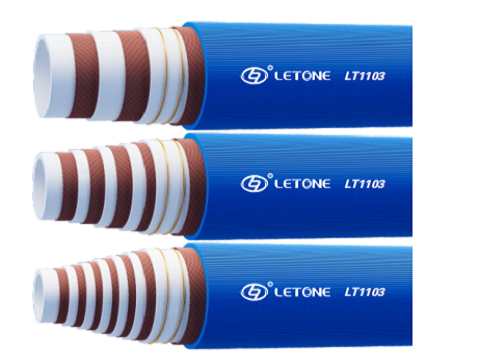
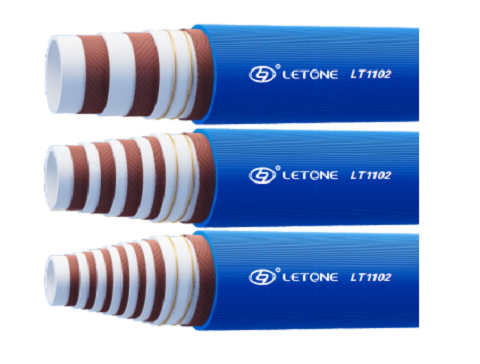
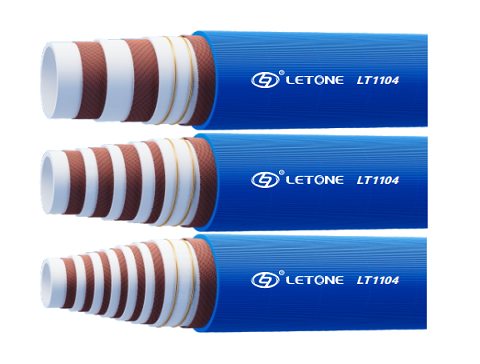
Oil Drilling Equipment Suction Hose Heavy Duty Kelly Rotary Mud Hose
release date:2026-06-24 15:15:22
reading volume:
share:
With the continuous development of technology, efficient and safe equipment and materials have become the key to success. Especially in high-pressure drilling operations, oilfield suction and discharge mud hoses play an important role as conveying media that cannot be ignored. This article will delve into the types, materials, properties, and applications of oilfield mud suction and discharge hoses, helping readers to fully understand the relevant knowledge in this field.
What is an oilfield mud suction and discharge hose?
Oilfield suction and discharge mud hose is a hose specially designed for high-pressure drilling operations, which can transport fluids such as mud and cleaning fluid. Its main function is to achieve the circulation and flow of drilling fluid during the drilling process, ensuring the smooth progress of the drilling process. The high pressure resistance and wear resistance of this hose enable it to maintain a stable working state even under extreme operating conditions.
The significance of API 7K standard
The 7K standard developed by API (American Petroleum Institute) is a specification for high-pressure drilling equipment and accessories in the petroleum industry. The suction and discharge mud hose that meets the API 7K standard has extremely high pressure resistance and safety, and is an indispensable and important component in drilling operations. According to this standard, the design, materials, and manufacturing process of hoses must undergo rigorous testing to ensure their reliability and durability in extreme environments.
Material composition of mud suction and discharge hose
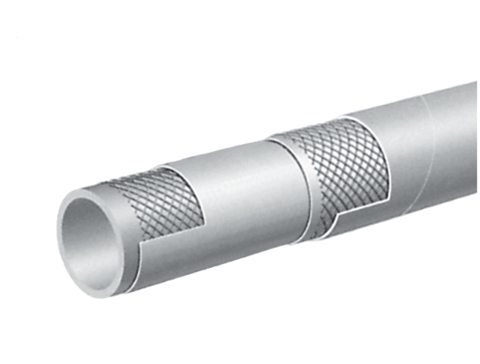
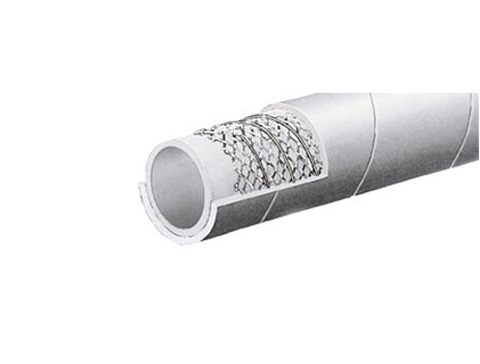
The material of oilfield mud suction and discharge hoses is usually composed of high-strength synthetic fibers, steel wires, and special rubber. These materials provide the hose with high tensile and wear resistance, enabling it to withstand severe impacts in high-pressure environments.
-Synthetic fibers: Synthetic fibers such as polyester (PET) or nylon materials provide strong tensile strength for hoses while maintaining good flexibility.
-Steel wire reinforcement: By adding a steel wire layer inside or outside the hose, the pressure resistance of the hose can be effectively improved. This design ensures that the hose will not deform or break under high-pressure operation.
-Special rubber: The outer layer of special rubber can resist various chemical corrosion and wear, extending the service life of the hose.
Technical parameters of mud suction and discharge hose
The technical parameters of the oil field suction and discharge mud hose are directly related to its performance in practical applications. Here are some common technical parameters:
1. Pressure resistance level: Generally, the pressure resistance level of oil field suction and discharge mud hoses is divided into multiple levels, with the most common being high pressure standards such as 5000psi and 10000psi. Choosing the appropriate withstand voltage level is crucial for ensuring safety.
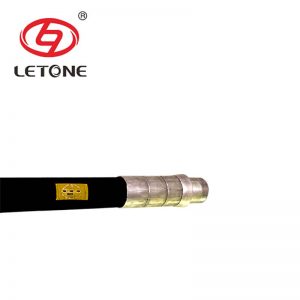 2. Temperature range: The operating temperature range of the hose is also a key indicator. Usually, oil field suction and discharge mud hoses can operate normally within a temperature range of -40 ℃ to 100 ℃.
3. Inner and outer diameters: The design of the inner and outer diameters of a hose determines its fluid transport capacity, typically ranging from 2 inches to 6 inches to meet different needs.
4. Corrosion resistance: For different types of mud and chemical media, the material of the hose needs to have corresponding corrosion resistance to prevent damage during operation.
Application areas of mud suction and discharge hoses
Oilfield mud suction and discharge hoses are widely used in various drilling operations, mainly including:
1. Conventional drilling: In traditional oil and gas exploration and production, hoses are used as the main fluid transport tool to support mud circulation and ensure drilling efficiency.
2. Underground operations: In some special underground operations, hoses can flexibly cope with complex environments such as high pressure and high temperature, ensuring smooth fluid transportation.
3. Engineering maintenance: For the engineering maintenance work of existing oil wells, the use of hoses is also crucial. By cleaning, injecting, and other methods, the equipment can be maintained in good operating condition.
4. Hydraulic fracturing: Hydraulic fracturing technology has been widely used in shale gas and unconventional oil and gas extraction. The suction and discharge mud hose is responsible for the transportation of high-pressure liquid in this process and is one of the key equipment.
Maintenance and upkeep of mud suction and discharge hoses
Although the design intention of the mud suction and discharge hose is to be used under extreme conditions, regular maintenance and upkeep are still the key to improving its service life. Here are some maintenance suggestions:
1. Regular inspection: The appearance of the hose should be checked regularly to check for cracks, wear, and deformation.
2. Cleaning and maintenance: After use, the inner cavity of the hose should be cleaned in a timely manner to avoid residue of mud or other chemicals that may affect its next use.
3. Proper storage: When not in use, the hose should be stored in a dry, cool environment, away from direct sunlight and high noise materials.
4. Replace old materials: For hoses with long service life or frequent malfunctions, they should be replaced in a timely manner to ensure safety.
Future Development Trends
With the continuous development of oil and gas resources, the demand for high-performance mud suction and discharge hoses in the market is also growing. In the future, the research and development of mud suction and discharge hoses will develop in the following directions:
2. Lightweight: With the advancement of material technology, the development of lighter and more durable materials will be an important direction for the development of mud suction and discharge hoses, which will help reduce transportation and operating costs.
3. Environmental performance: With the tightening of environmental policies, developing more environmentally friendly and recyclable materials will also become an important trend in the design of mud suction and discharge hoses in the future.
2. Temperature range: The operating temperature range of the hose is also a key indicator. Usually, oil field suction and discharge mud hoses can operate normally within a temperature range of -40 ℃ to 100 ℃.
3. Inner and outer diameters: The design of the inner and outer diameters of a hose determines its fluid transport capacity, typically ranging from 2 inches to 6 inches to meet different needs.
4. Corrosion resistance: For different types of mud and chemical media, the material of the hose needs to have corresponding corrosion resistance to prevent damage during operation.
Application areas of mud suction and discharge hoses
Oilfield mud suction and discharge hoses are widely used in various drilling operations, mainly including:
1. Conventional drilling: In traditional oil and gas exploration and production, hoses are used as the main fluid transport tool to support mud circulation and ensure drilling efficiency.
2. Underground operations: In some special underground operations, hoses can flexibly cope with complex environments such as high pressure and high temperature, ensuring smooth fluid transportation.
3. Engineering maintenance: For the engineering maintenance work of existing oil wells, the use of hoses is also crucial. By cleaning, injecting, and other methods, the equipment can be maintained in good operating condition.
4. Hydraulic fracturing: Hydraulic fracturing technology has been widely used in shale gas and unconventional oil and gas extraction. The suction and discharge mud hose is responsible for the transportation of high-pressure liquid in this process and is one of the key equipment.
Maintenance and upkeep of mud suction and discharge hoses
Although the design intention of the mud suction and discharge hose is to be used under extreme conditions, regular maintenance and upkeep are still the key to improving its service life. Here are some maintenance suggestions:
1. Regular inspection: The appearance of the hose should be checked regularly to check for cracks, wear, and deformation.
2. Cleaning and maintenance: After use, the inner cavity of the hose should be cleaned in a timely manner to avoid residue of mud or other chemicals that may affect its next use.
3. Proper storage: When not in use, the hose should be stored in a dry, cool environment, away from direct sunlight and high noise materials.
4. Replace old materials: For hoses with long service life or frequent malfunctions, they should be replaced in a timely manner to ensure safety.
Future Development Trends
With the continuous development of oil and gas resources, the demand for high-performance mud suction and discharge hoses in the market is also growing. In the future, the research and development of mud suction and discharge hoses will develop in the following directions:
2. Lightweight: With the advancement of material technology, the development of lighter and more durable materials will be an important direction for the development of mud suction and discharge hoses, which will help reduce transportation and operating costs.
3. Environmental performance: With the tightening of environmental policies, developing more environmentally friendly and recyclable materials will also become an important trend in the design of mud suction and discharge hoses in the future.