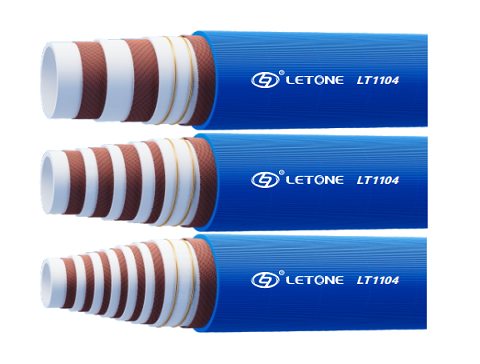
Rubber air hose assembly nitrile rubber oil resistant
release date:2026-09-22 14:48:01
reading volume:
share:
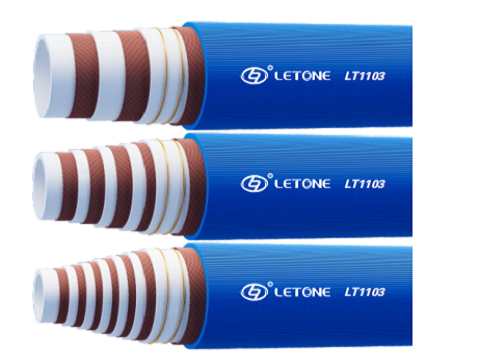
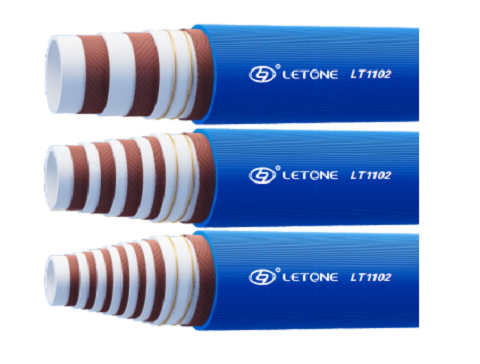
Rubber air hose assembly is a type of flexible pipeline component composed of a rubber tube body and a metal joint, used for the transportation of compressed air and other inert gases. Nitrile rubber (NBR), as the main material of the inner layer rubber material, has a clear technical positioning in this type of product: compressed air often carries trace amounts of lubricating oil (from compressor lubrication or pipeline oil mist), and the polar nitrile group in the molecular structure of NBR endows it with excellent resistance to mineral oil, synthetic oil, and fatty hydrocarbons, making it a suitable choice for oil containing compressed air transportation scenarios.
In addition to oil resistance, NBR can also meet weather resistance requirements through reasonable formula design. The ozone resistance and weather aging resistance of NBR are relatively limited, but by adding anti ozone agents, anti-aging agents, and using a blend modification system (such as blending NBR with polyvinyl chloride), outdoor environmental adaptability can be improved while maintaining oil resistance. The outer rubber layer is usually made of chloroprene rubber (CR) or chlorosulfonated polyethylene (CSM) to provide better weather resistance, wear resistance, and ozone resistance.
2、 Structural design and material composition
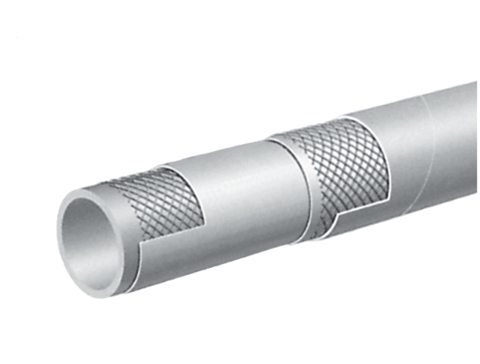
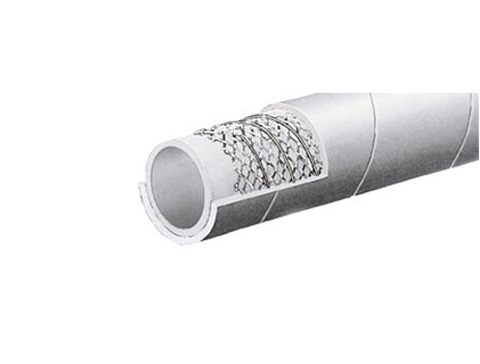
Inner layer (inner adhesive layer): mainly made of NBR, with a thickness usually between 1.5mm and 3.0mm. The acrylonitrile content of NBR is a key parameter affecting its oil resistance performance - the higher the acrylonitrile content, the stronger the oil resistance, but the corresponding decrease in low-temperature flexibility. The acrylonitrile content of NBR inner layer used in pneumatic systems is generally between 28% and 40%. The inner layer needs to have low permeability to prevent compressed air from leaking through the pipe wall and causing pressure loss.
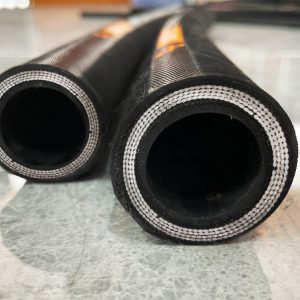 Enhancement layer: provides compressive structural strength. Common forms include: high-strength polyester fiber weaving, suitable for medium and low pressure pneumatic systems, with good flexibility; Copper plated steel wire weaving, suitable for higher pressure conditions, with stronger pressure bearing capacity. The weaving angle is controlled around 54 ° 44 'to balance radial compression and axial flexibility.
Outer layer (outer adhesive layer): The main material is CR or CSM, and the thickness is usually between 1.0mm and 2.5mm. The chlorine atoms in the CR molecular structure endow it with excellent ozone resistance, weather aging resistance, and flame retardancy. The surface of the outer adhesive layer is usually marked with identification tape along the length direction, indicating product specifications and pressure levels.
End joint: The metal joint is permanently connected to the pipe body through a crimping process. The joint material is carbon steel or stainless steel, and the surface is galvanized or passivated. The types of connectors include metric threads, imperial threads, NPT threads, and quick insert connectors.
3、 Performance parameters
Working pressure: The working pressure of pneumatic systems is usually between 0.4MPa and 1.0MPa. The rated working pressure of hose assemblies is designed to be 2 to 3 times the maximum system pressure, and the burst pressure is not less than 4 times the working pressure.
Temperature range: The working temperature range of NBR inner layer is generally -20 ℃ to+100 ℃. NBR with high acrylonitrile content has relatively poor low-temperature performance, and low acrylonitrile content grades can be extended to -40 ℃. The temperature resistance range of CR outer layer is similar to that of NBR inner layer.
Inner diameter specifications: Common inner diameters range from 5mm to 25mm, including 5mm, 6.5mm, 8mm, 10mm, 13mm, 16mm, 19mm, 25mm, and other specifications.
Oil resistance performance: The volume expansion rate of NBR in ASTM standard oil is the core indicator for evaluating its oil resistance performance. The volume change rate of high-quality pneumatic hoses with NBR inner layer soaked in standard test oil is usually controlled at a low level.
Weather resistance: The ozone resistance of the outer layer CR makes it suitable for outdoor environments and can maintain a long service life even in industrial areas with high ozone concentrations.
Minimum bending radius: Depending on the inner diameter and reinforcement structure, the minimum bending radius of fiber woven pneumatic hoses is usually 3 to 5 times the diameter of the pipe.
4、 Application scenarios
Industrial automation production line: used to connect pneumatic actuators, pneumatic valve islands, and control components, providing compressed air power for automation equipment. The compressed air environment containing oil mist is a typical application scenario for the inner layer of NBR.
Pneumatic tools: used for compressed air delivery of tools such as pneumatic wrenches, pneumatic grinders, and pneumatic spray guns. The oil resistance of NBR is suitable for the oil mist that may be introduced into the tool lubrication system.
Automotive Maintenance and Manufacturing: Used for pneumatic tool supply in automotive repair workshops and pneumatic control circuits on automotive manufacturing production lines.
Packaging machinery: used for power transmission of pneumatic actuators in packaging equipment.
Outdoor pneumatic equipment: The weather resistance of the outer rubber layer CR makes the hose assembly suitable for pneumatic systems in outdoor or semi outdoor environments.
Enhancement layer: provides compressive structural strength. Common forms include: high-strength polyester fiber weaving, suitable for medium and low pressure pneumatic systems, with good flexibility; Copper plated steel wire weaving, suitable for higher pressure conditions, with stronger pressure bearing capacity. The weaving angle is controlled around 54 ° 44 'to balance radial compression and axial flexibility.
Outer layer (outer adhesive layer): The main material is CR or CSM, and the thickness is usually between 1.0mm and 2.5mm. The chlorine atoms in the CR molecular structure endow it with excellent ozone resistance, weather aging resistance, and flame retardancy. The surface of the outer adhesive layer is usually marked with identification tape along the length direction, indicating product specifications and pressure levels.
End joint: The metal joint is permanently connected to the pipe body through a crimping process. The joint material is carbon steel or stainless steel, and the surface is galvanized or passivated. The types of connectors include metric threads, imperial threads, NPT threads, and quick insert connectors.
3、 Performance parameters
Working pressure: The working pressure of pneumatic systems is usually between 0.4MPa and 1.0MPa. The rated working pressure of hose assemblies is designed to be 2 to 3 times the maximum system pressure, and the burst pressure is not less than 4 times the working pressure.
Temperature range: The working temperature range of NBR inner layer is generally -20 ℃ to+100 ℃. NBR with high acrylonitrile content has relatively poor low-temperature performance, and low acrylonitrile content grades can be extended to -40 ℃. The temperature resistance range of CR outer layer is similar to that of NBR inner layer.
Inner diameter specifications: Common inner diameters range from 5mm to 25mm, including 5mm, 6.5mm, 8mm, 10mm, 13mm, 16mm, 19mm, 25mm, and other specifications.
Oil resistance performance: The volume expansion rate of NBR in ASTM standard oil is the core indicator for evaluating its oil resistance performance. The volume change rate of high-quality pneumatic hoses with NBR inner layer soaked in standard test oil is usually controlled at a low level.
Weather resistance: The ozone resistance of the outer layer CR makes it suitable for outdoor environments and can maintain a long service life even in industrial areas with high ozone concentrations.
Minimum bending radius: Depending on the inner diameter and reinforcement structure, the minimum bending radius of fiber woven pneumatic hoses is usually 3 to 5 times the diameter of the pipe.
4、 Application scenarios
Industrial automation production line: used to connect pneumatic actuators, pneumatic valve islands, and control components, providing compressed air power for automation equipment. The compressed air environment containing oil mist is a typical application scenario for the inner layer of NBR.
Pneumatic tools: used for compressed air delivery of tools such as pneumatic wrenches, pneumatic grinders, and pneumatic spray guns. The oil resistance of NBR is suitable for the oil mist that may be introduced into the tool lubrication system.
Automotive Maintenance and Manufacturing: Used for pneumatic tool supply in automotive repair workshops and pneumatic control circuits on automotive manufacturing production lines.
Packaging machinery: used for power transmission of pneumatic actuators in packaging equipment.
Outdoor pneumatic equipment: The weather resistance of the outer rubber layer CR makes the hose assembly suitable for pneumatic systems in outdoor or semi outdoor environments.